

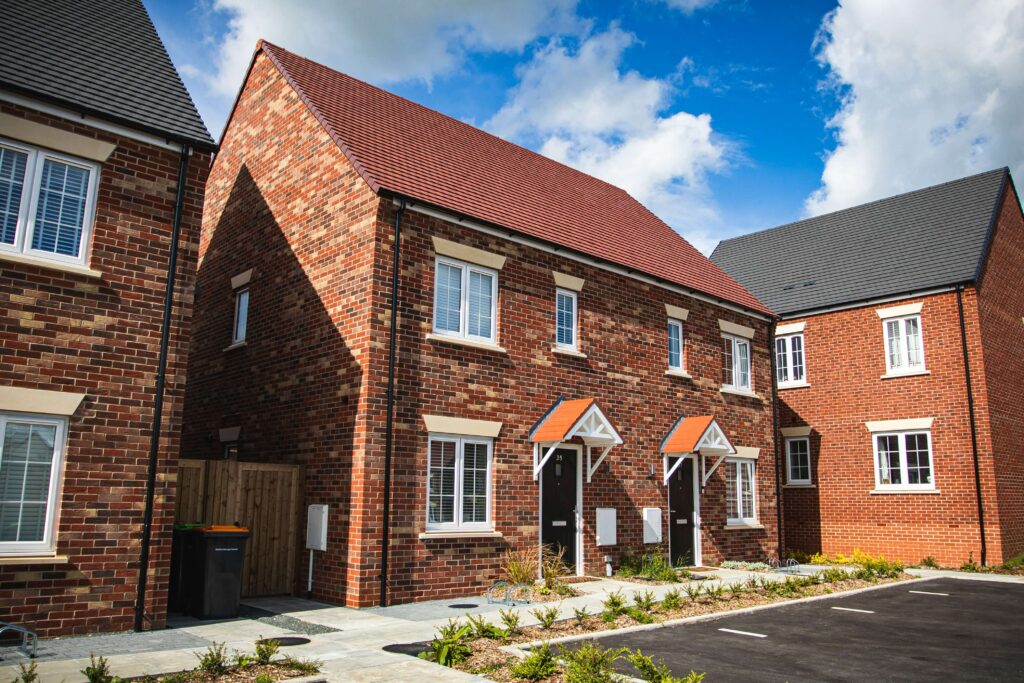
Buying a new build property can be a great investment, particularly for young people and first time buyers. New builds are typically modern buildings equipped with up-to-date technology and facilities.
As with most house purchases, getting a mortgage is typically a key part of the process of buying a new build house.
Can you get a new build mortgage?
You can get a mortgage on a new build home, just like with any other property. For the purpose of getting a mortgage, a ‘new build’ is typically (but not exclusively) classed as a property which was built or extensively renovated within the previous 2 years.
With some lenders, the process of getting a mortgage on a new build property may require a bigger deposit, unless on a specialised scheme such as deposit unlock or shared ownership.
Types of mortgage products for new build properties
New builds can be valued differently to older properties, so lenders sometimes apply different criteria. The good news is that most standard mortgage products are still available, alongside a few features that are particularly useful when buying off-plan or from a developer.
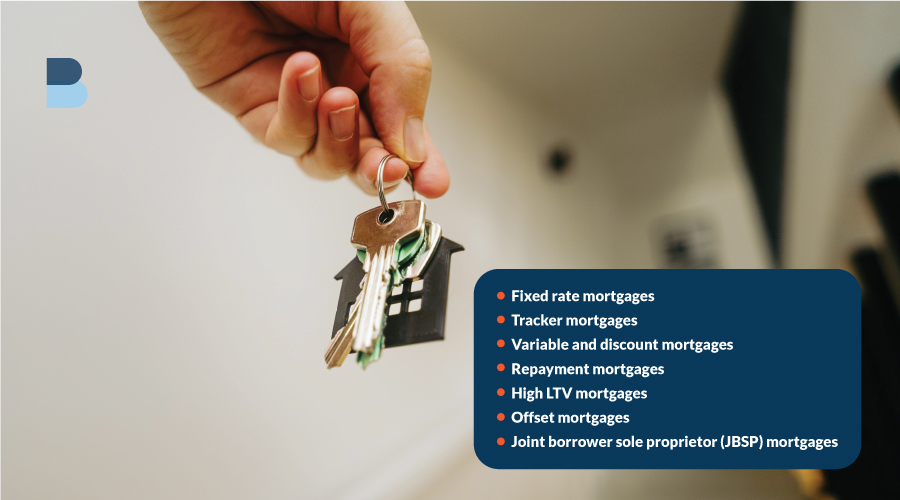
- Fixed rate mortgages - Your interest rate is locked in for a set period, typically 2, 5 or 10 years. Useful for new build buyers who want predictable monthly payments while settling into a new home.
- Tracker mortgages - Your rate moves in line with the Bank of England base rate. These can offer savings if rates fall, but payments may rise too.
- Variable and discount mortgages - The lender's standard variable rate, sometimes with a discount applied for an introductory period.
- Repayment mortgages - You pay off both the loan and the interest each month, so the balance reduces over time. The most common option for residential buyers.
- High LTV mortgages - Some lenders offer 90% or 95% loan-to-value products on new builds, though flats and apartments are often capped at a lower LTV due to perceived risk.
- Offset mortgages - Linked to a savings account, where your savings reduce the interest charged on your mortgage. Useful if you want to keep cash accessible without losing the benefit of a larger deposit.
- Joint borrower sole proprietor (JBSP) mortgages - A family member's income helps with affordability, but only the buyer is named on the property title.
It's worth noting that new build mortgage offers usually need to last longer than offers on existing homes, as completion dates can shift if the build is delayed. Many lenders offer extended offer periods of up to 6 months specifically for new builds.
How do new build mortgages work?

New build mortgages usually work more or less in the same way as traditional mortgages, though they are slightly more geared towards unbuilt or newly completed homes:
- Reservation - You find a new build plot and pay a reservation fee.
- Application - You apply for a mortgage, ideally with a lender who specialises in new builds.
- Contract exchange - Contract exchanges are normally demanded quickly (within 28 days) by developers.
- Completion - When the home is built and ready for occupation, an inspection takes place and you can move in. This is where mortgage payments begin.
What deposit do you need for new build mortgages?
There is no specific set amount for the deposit you need on a new build mortgage, though standard deposit expectations can vary based on the mortgage type, lender and property type.
For houses, 10% is usually preferred, with 5% being an option on certain schemes and specific mortgage types. If it’s a flat/apartment, the range is usually closer to 10 - 15% due to higher risk of value drops.
Are there any extra fees that come with buying a new build property?
There are a number of additional fees which may come with buying a new build property. These may include:
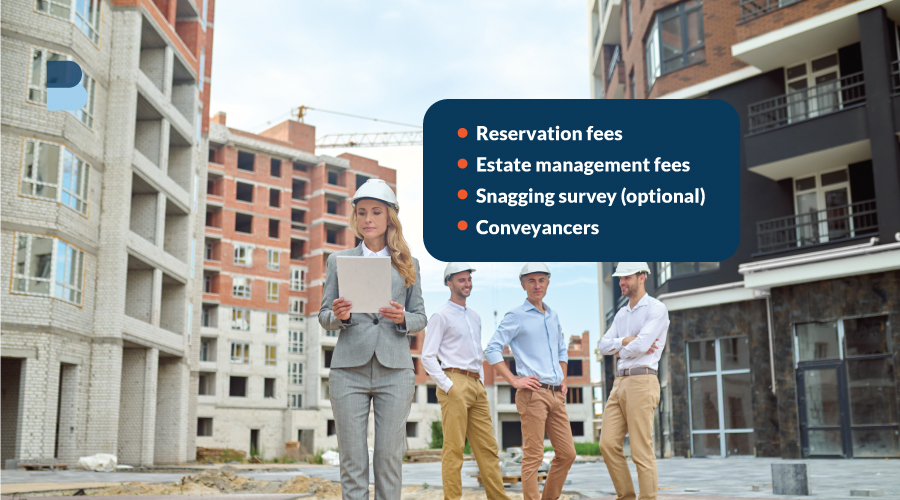
- Reservation fees - Usually anywhere from £500 - £2,000 to take the property off the market. This is often, but not always, refundable against the purchase price.
- Estate management fees - Common to cover security costs, private roads or green spaces with freehold new builds.
- Snagging survey (optional) - Not mandatory, but recommended to spot issues which builders need to fix.
- Conveyancers - Can be more expensive on new builds as a result of stricter deadlines.
Are there any schemes you can use to buy a new build home?

There are a number of schemes available to use when buying a new build home:
- Deposit Unlock - Lets you buy a new build with a 5% deposit, with the housebuilder insuring the mortgage instead of relying on a government guarantee.
- Own New Rate Reducer - The developer contributes 3% or 5% of the purchase price to reduce your mortgage interest rate during the fixed period, lowering your monthly payments.
- Shared Ownership - You buy a share of the property, typically 25 - 75%, and pay rent on the rest. A smaller deposit and mortgage, with the option to buy more shares over time.
- First Homes Scheme - First time buyers may be able to purchase a new build at a 30 - 50% discount against market value, with the discount passed on to future buyers.
- Lifetime ISA - Save up to £4,000 a year towards a first home and the government adds a 25% bonus, usable on properties up to £450,000.
- Developer Incentives - Housebuilders often offer their own incentives such as part-exchange, deposit contributions or paying your stamp duty or legal fees.
Some schemes can be combined with standard mortgages, while others require specific lenders. It's worth speaking to a mortgage adviser before reserving a plot to check what you're eligible for.
For more information regarding new build specific mortgages and related products, get in touch with Barlow Irvin.