

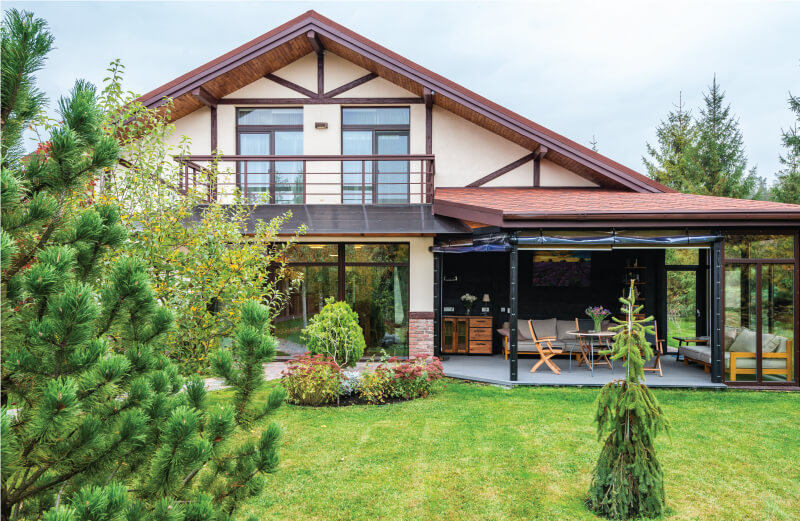
Getting a mortgage on a property with an annexe depends on the structure and use of the annexe. It is entirely possible, and often relatively straightforward with broker support, but there are normally a number of requirements which lenders would look for upfront.
Navigating this process includes understanding the available mortgage types, as well as how potential lenders will view the property.
What is an annexe on a property?
An ‘annexe’ is a self-contained living space within the grounds, or as part of a property. Annexes are designed to accommodate independent living and typically feature a bedroom, bathroom, kitchen and living area.
Usually, annexes are designed for ‘ancillary use’, meaning it exists to support the main house/property, and can’t be treated as an entirely separate dwelling. On top of this, they are self-contained, but may share vehicle access, parking and utility access with the main property.
Can you get a mortgage for a house with an annexe?
You can get a mortgage for a house with an annexe. However, it may be more complex than a standard house purchase.
Getting a mortgage on a house with an annexe can require the support of an experienced broker with access to products from a range of lenders across the market. This is because annexe properties can blur the lines between single family homes and dual dwellings. Brokers will assess who will be using the annexe, whether it has its own amenities and entrance, and whether council tax and bills are shared with the main property.
This makes it easier to understand what products would be suitable/available.
How lenders categorise annexes
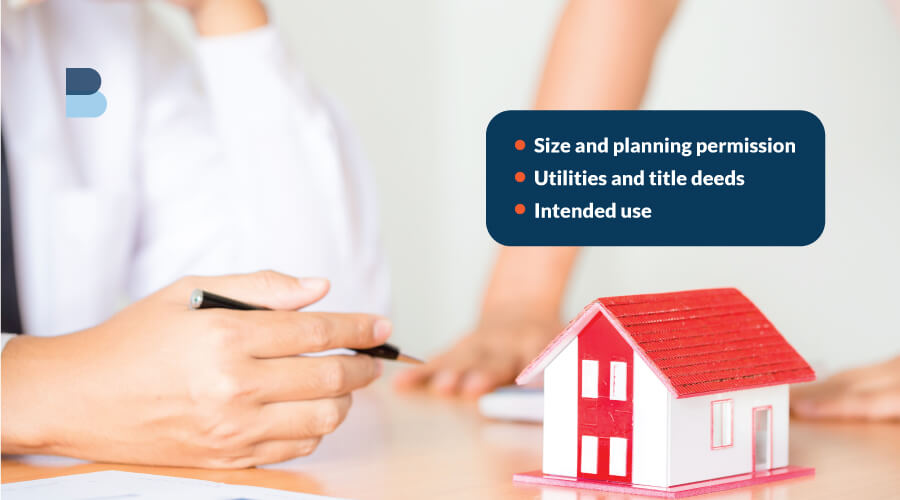
Lenders categorise annexes based on:
Size and planning permission - Lenders run extensive checks on planning permission on any annexe built after 2015. Policies may differ depending on the lender.
Utilities and title deeds - Most lenders will require that the property and the annexe are both on a single freehold title. Also, lenders prefer that the annexe shares the same gas, electric and water meters with the main dwelling, as well as council tax banding.
Intended use - If the annexe is for a dependent or elderly relative, it is usually treated with my grace by lenders. If it is for rental/airbnb use, it may fall under commercial or buy-to-let products. This may require the involvement of specialist lenders.
These factors influence the mortgage product and approach you need to take.
The challenges of getting a mortgage on an annexed house
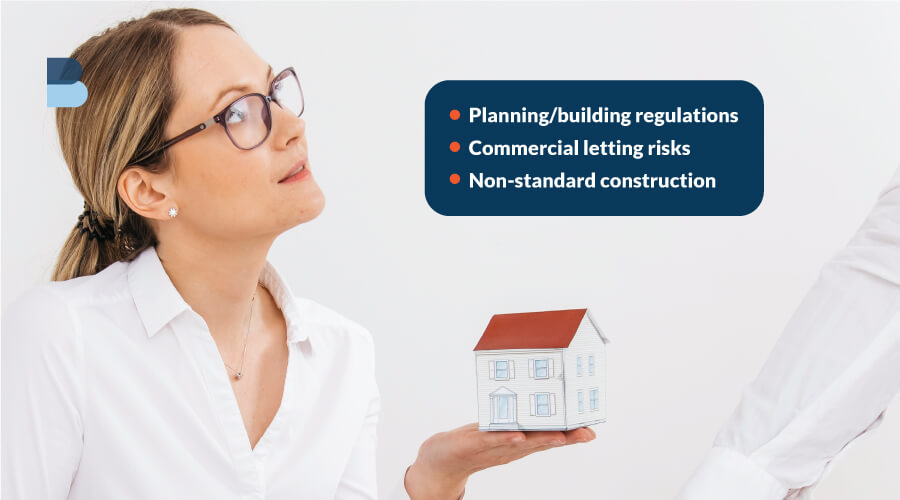
Getting a mortgage on an annexed house can come with a number of risks which increase difficulty:
Planning/building regulations - Annexes built without proper authorisation or building control certificates can lead to failed mortgage applications.
Commercial letting risks - If an annexe is completely self-contained, including an independent entrance and self-contained kitchen facilities, lenders worry about repossessing the property if you default. Long-term tenants may have a legal right to remain.
Non-standard construction - Non-standard materials or construction types may not be included in standard mortgage types. Learn more about non-standard mortgages.
How a broker can support with a mortgage on a property with an annexe
Annexed properties can come under strict scrutiny from lenders, meaning that it can be much more difficult to find a desirable mortgage product, and actually have an offer accepted.
An experienced mortgage broker, such as Barlow Irvin, can assist with obtaining legal and planning paperwork, assessing the property/annexe type to find suitable products, and navigating the criteria which lenders look for when considering such applications.
Our whole-of-market access means we’ll find the best suited deal from the right lender, not just the one on our books. Get in touch with us today for more information.