


Finding out you owe an inheritance tax bill is difficult enough. Finding out you may be expected to pay it before you can access the estate is often the bigger shock. Many families dealing with probate assume they will be able to sell a property or draw on savings to cover the bill, only to discover that HMRC generally wants payment, or a clear plan to pay, before a grant of probate is issued.
This guide explains why that happens, when the money is actually due, what happens if you fall behind, and the options open to you if the funds simply are not there yet.
The inheritance tax ‘catch 22’ explained
This situation catches a lot of executors off guard, and it is easy to see why. Most of an estate’s value is often tied up in things you cannot touch without probate, such as the family home, investments, or accounts held solely in the deceased’s name.
HMRC, however, generally wants confirmation that Inheritance Tax has been paid, or arranged, before it will confirm receipt to the probate registry, and that confirmation is usually needed before a grant of probate can be issued. In other words, you may need money you cannot yet access in order to unlock the very process that would let you access it. That is the catch 22 at the heart of this guide, and it is more common than most people expect.
When is inheritance tax actually due?
So when do you pay inheritance tax? As a general rule, any tax that is due has to be paid by the end of the sixth month after the person died. If they died in March, for example, the deadline falls at the end of September.
This inheritance tax deadline applies whether or not probate has come through yet, which is exactly why the timing can feel so tight. It is worth remembering that this due date is about when HMRC expects payment, not when the estate is legally distributed. Those two dates rarely line up, and the gap between them is where most of the stress comes from.
Get in Touch to Learn More About Bridging Loans
What happens if you can’t pay before probate?
There are a few routes open to executors who cannot pay the full amount straight away. If the deceased held money in a bank or building society account, many providers will pay HMRC directly from those funds under HMRC’s Direct Payment Scheme, without probate needing to be granted first.
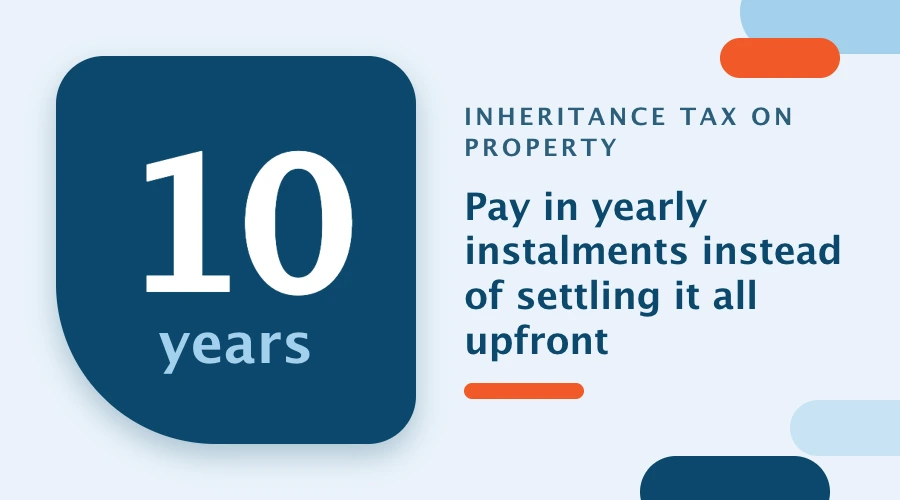
Inheritance tax on property works a little differently. Where the bill relates to land or property that has not been sold yet, you may be able to pay in yearly instalments over 10 years instead of settling it all upfront. The first instalment is normally due six months after the death, and it is usually interest free if you pay it on time. Once the property is sold, though, any instalments still outstanding become due in full.
How HMRC interest builds up: 6 month rule
If nothing has been paid by the six month deadline, HMRC starts charging interest on the outstanding balance. This applies regardless of how far along probate is, so delays on the legal side do not pause the clock on the tax side.
The rate moves in line with the Bank of England base rate, so it is worth checking the current figure on GOV.UK rather than assuming it stays fixed. The longer a bill goes unpaid, the more it costs, which is exactly why so many families start looking into short term funding as soon as they realise there is a gap.
How do you fund inheritance tax before probate?
When the Direct Payment Scheme and the instalment option do not fully cover the bill, executors are usually left with three practical choices. One is asking beneficiaries to contribute or lend the estate money against their eventual share. Another is remortgaging a property that is jointly owned, where probate is not a barrier. The third is a short term bridging loan, secured against the property until it is sold or refinanced, which works in a similar way to the loans we cover in our guide on how bridging loans work, just applied specifically to a probate situation.
As a whole of market broker, we are not tied to any one lender, so we can talk you through what is realistic for your estate’s circumstances, without any pressure to decide quickly. Speak to us about inheritance tax funding options and we will talk you through your options.
FAQs
Do you have to pay inheritance tax before you get probate?
In most cases, yes. HMRC generally needs confirmation that Inheritance Tax has been paid, or that a payment plan is in place, before it will confirm this to the probate registry, and that confirmation is usually needed before a grant of probate can be issued.
This is why so many executors end up looking for ways to pay inheritance tax before probate is granted, rather than waiting for the estate to be released. The Direct Payment Scheme, where banks pay HMRC directly from the deceased’s own accounts, is often the simplest way to do this.
How much does probate cost, separately from the tax bill?

The probate application itself has its own fee, separate from any inheritance tax owed. If the estate is worth more than £5,000, the current probate court fee is £526. Estates valued at £5,000 or under are exempt from this fee. These figures are correct at the time of writing, so it is worth confirming the current fee before you apply, as court fees do change from time to time.
What happens if you miss the 6-month inheritance tax deadline?
HMRC starts charging interest on the outstanding balance from six months after the date of death, whether or not probate has come through yet. The rate moves in line with the Bank of England base rate, so it does not stay fixed. The longer the bill goes unpaid, the more it costs, which is why most executors look to arrange payment, or a payment plan with HMRC, as early as possible rather than waiting on probate.
What if the estate's money is tied up and you can't pay another way?
If the Direct Payment Scheme and the instalment option between them do not cover the bill, and beneficiaries are not able to help, a short term probate bridging loan secured against the property is usually the most practical option left. It lets you settle the tax bill without a rushed or forced property sale. Speak to us about inheritance tax bridging finance and we will talk you through whether it fits your situation.
Learn More About Bridging Loans
As an FCA approved, whole-of-market broker, Barlow Irvin is able to compare products from a range of lenders, including specialist lenders, helping you find the best possible mortgage.