

Buying a home is exciting, but the rules around it seem to change every few months. New taxes, updated mortgage rules and fresh Government schemes can all affect what you pay and how much you can borrow.
You don't need to be a policy expert to keep up. Here are the main Government changes worth knowing about in 2026, and what they could mean for you.
Why you should consider potential Governmental changes when buying a house
Government decisions shape almost every part of buying a home, from the tax you pay to how much lenders will offer and which schemes can help you onto the ladder. Even a small change can add or save you thousands. When the stamp duty thresholds changed in April 2025, for example, some first-time buyers paid several thousand pounds more than they would have done just weeks earlier.
These changes also sit alongside wider factors like interest rates and how world politics affect UK mortgages, so it helps to look at the bigger picture. Our guide to considering the economy when buying a house covers this in more detail.
Tax changes that can affect what you pay for a home
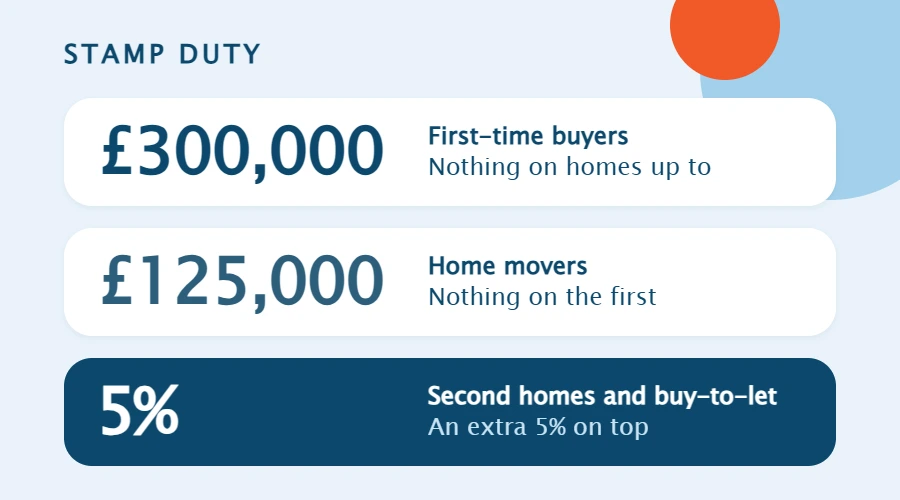
Stamp duty is usually the biggest tax you'll pay when buying a home in England. Since 1 April 2025, the rates have been:
Home movers - Nothing on the first £125,000, then 2% up to £250,000 and 5% up to £925,000, with higher rates above that.
First-time buyers - Nothing on homes up to £300,000, then 5% on the part up to £500,000. Above £500,000, first-time buyer relief doesn't apply.
Second homes and buy-to-let - An extra 5% on top of the standard rates.
The Prime Minister has ruled out scrapping stamp duty at the Autumn Budget, so these rates look set to stay for now.
Two other tax changes are also on the way. From April 2028, homes in England worth £2 million or more will pay an extra yearly charge on top of council tax, starting at £2,500. From April 2027, tax on rental income rises by 2%, which is worth factoring in if you're considering buy-to-let mortgages.
Mortgage lending rule changes
The Financial Conduct Authority (FCA), which sets the rules for mortgage lenders, has been making it easier to borrow responsibly. In simple terms, lenders now have more freedom in deciding what you can afford.
Easier "stress tests" - Since March 2025, lenders have more flexibility when checking whether you could cope if rates rose, which has helped many people borrow a little more.
Higher income multiples - More lenders now offer over 4.5 times your salary for the right applicants.
More help for underserved borrowers - In June 2026, the FCA set out plans to support people with irregular income or past credit problems. Final rules are expected later this year.
These changes could really help if you're self-employed or have had a few bumps in your credit history. Take a look at our guides to self-employed mortgage requirements and bad credit mortgages to find out more.
Just remember, being able to borrow more doesn't always mean you should. Our guide on mortgage affordability for first-time buyers is a great place to start.
Changes to Government financial schemes for home buyers

Government schemes can make a big difference, especially when saving for a deposit.
In July 2025, the Government made its mortgage guarantee scheme permanent and renamed it Freedom to Buy. It helps lenders offer mortgages with as little as a 5% deposit, and some lenders are now going even further, as we explain in our article on lower cash deposits.
The Lifetime ISA (LISA) is also being replaced. At the moment, it lets you save up to £4,000 a year with a 25% Government bonus towards a first home costing £450,000 or less. In June 2026, the Government confirmed plans for a new First Time Buyer ISA, possibly from April 2027, with the bonus paid at exchange rather than completion. Existing LISAs should carry on as normal, so if you're saving for your first home, it could be worth opening one while you still can. Our guide to deposits and savings for first-time buyers has more tips.
Changes to housing standards: Energy efficiency, leasehold/freehold
The Government wants homes to be greener and cheaper to run. Landlords in England will need rental properties to reach an EPC rating of C by 1 October 2030; so check the EPC if you're buying to let.
New builds will also be far more energy efficient under the Future Homes Standard, confirmed in March 2026. A greener home can even help you get a better rate through green mortgages.
If you're buying a flat, it's likely to be leasehold, meaning you own the property for a set number of years but not the land it sits on. Since early 2025, you no longer have to wait two years before extending your lease or buying the freehold. Plans published in January 2026 would also cap ground rent at £250 a year and eventually replace new leasehold flats with commonhold, where residents own and run the building together.
These leasehold changes aren't all law yet, so always check the lease length, ground rent and service charges before you buy.
Staying ahead of Government changes and buying at the right time

It's easy to feel like you should wait for the "perfect" moment to buy. In reality, the right time usually comes down to your own situation: your savings, your income and how long you plan to stay. Government changes are one piece of the puzzle, not the whole picture.
To stay ahead, keep an eye on key dates like the Autumn Budget, work your stamp duty into your budget early and check the property details before making an offer. If you already own, review your deal well before it ends with the help of our remortgage guide.
This is where a good mortgage broker really helps. At Barlow Irvin, we keep up with every change so you don't have to. We'll explain what it means for you in plain English and support you all the way through the house buying process.
Whether it's your first home or your next one, we'd love to chat. Get in touch with our friendly team today for free, jargon-free advice.